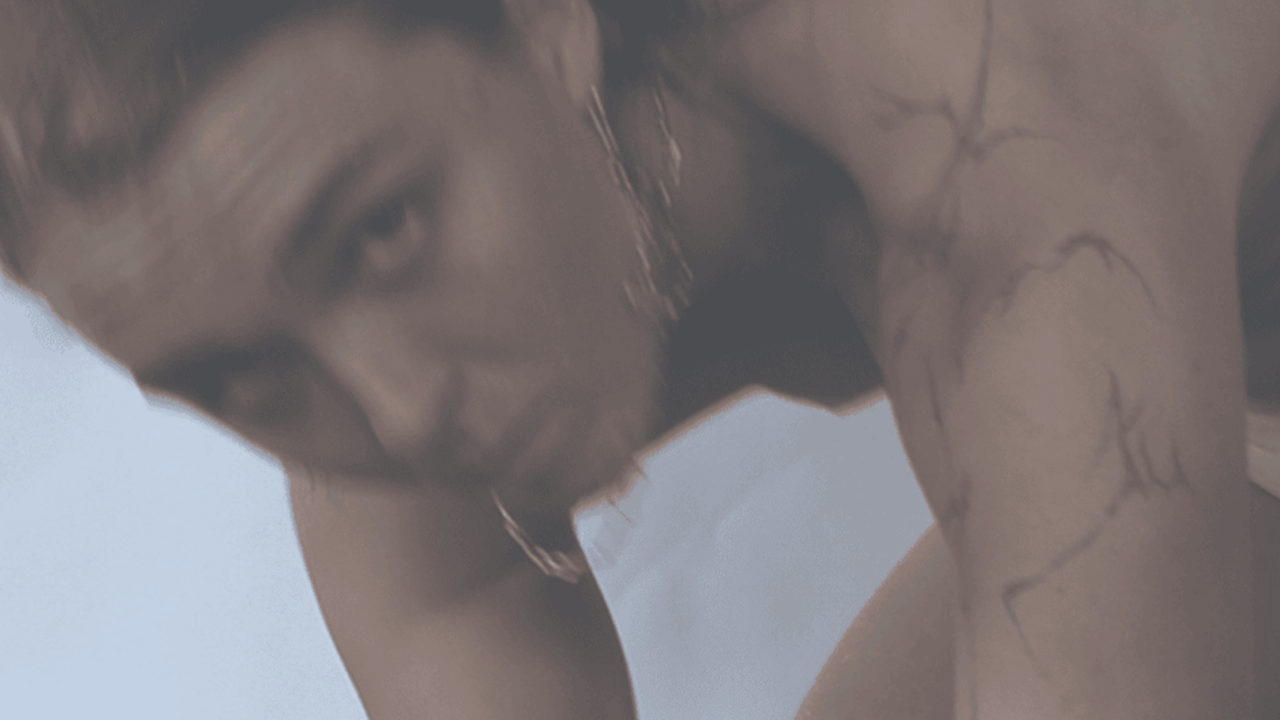
CLOVEN
Bewteen two sides of the wound. CLOVEN.
Supported by Metro Arts and Vitalstatistix
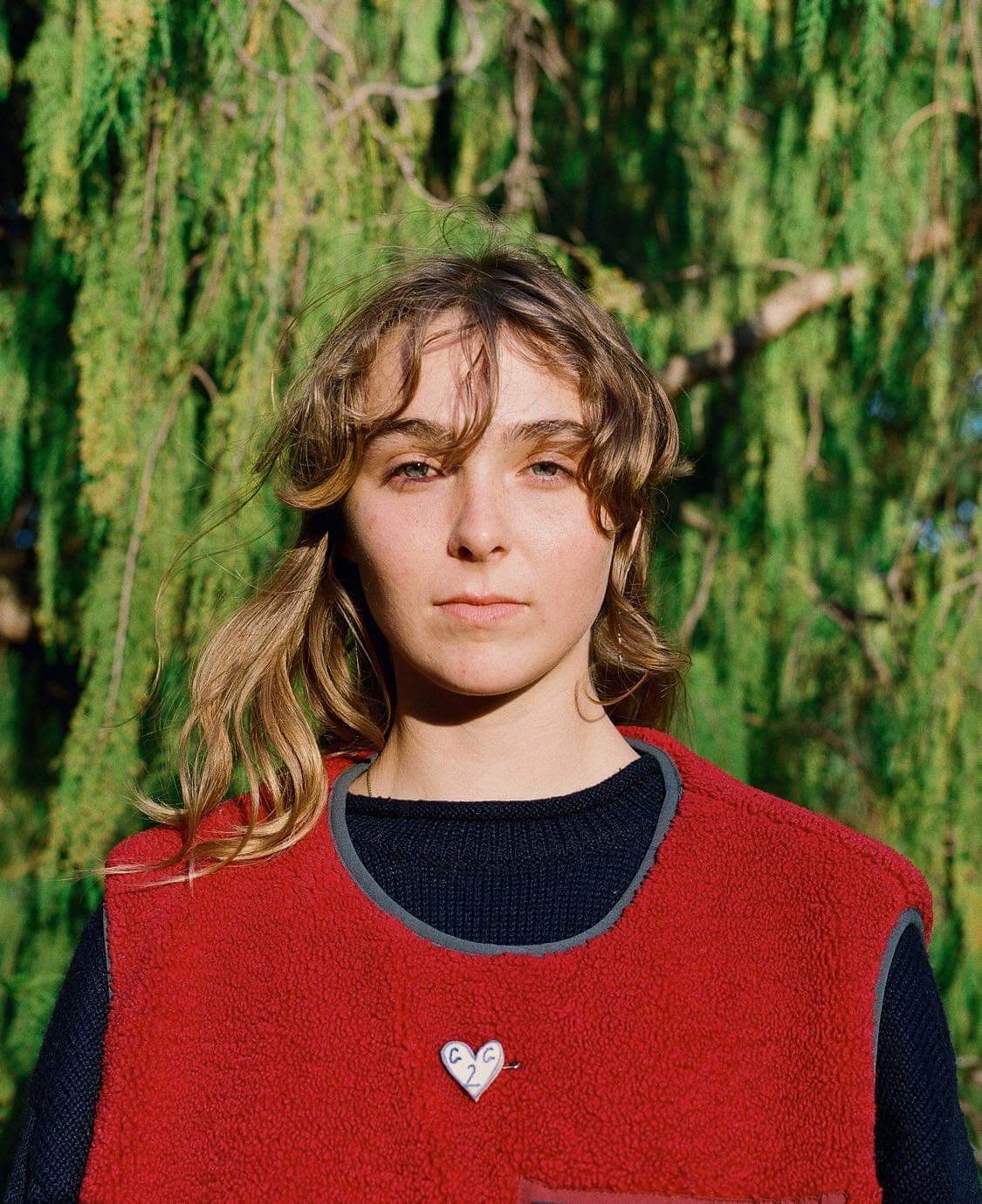
Miles Dunne - Lead Design and Collaborator
Miles Dunne is an emerging multidisciplinary artist whose practice spans digital, sculpture, installation, and performance. Delving into the intersection of digital programming and physical space, and object, Dunne explores notions of truth, the weaponisation of everyday technology and environmental degradation. Largely shaped by their upbringing amidst rapid technological advancement, Dunne crafts unlikely narratives, inspired by science fiction and mythology, that question the social structures we often take for granted.
Dunne’s work often recontextualises now common technologies, creating responsive machines, to observe the emergent behaviours that arise between his work, the audience, and their environment. This process mimics both our natural environments’ adaptation to human behaviours, and the behaviour of algorithms, constantly shapeshifting to respond to, and reinforce our behavioural patterns. Dunne’s performance practice spans roles as director, programmer, lighting and stage designer, and physical performer, investigating ideas of gender, government, truth, and the shifting boundaries between humans, machines, and other beings. Often incorporating responsive digital systems, their performance work examines how interactions with machines influence performers and audiences alike, reflecting on the wider role of technology in shaping our existence.
Nadeem Tiafau Eshraghi - Lead Sound and Collaborator
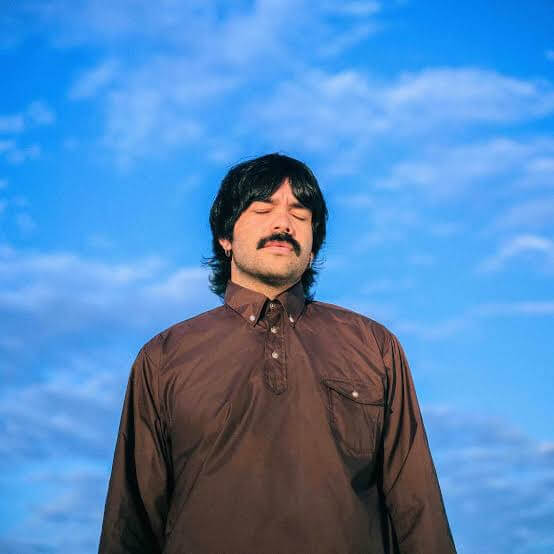
Samoan & Iranian artist and musicker, living and working between Naarm, Meanjin and Sāmoa. They make offerings of sound, sight and space to distil lived and collective experiences through contemporary rituals.
Headshot by Katy Chan Dyer.
Kate Harman - Choreographic/Dramaturgy Mentor
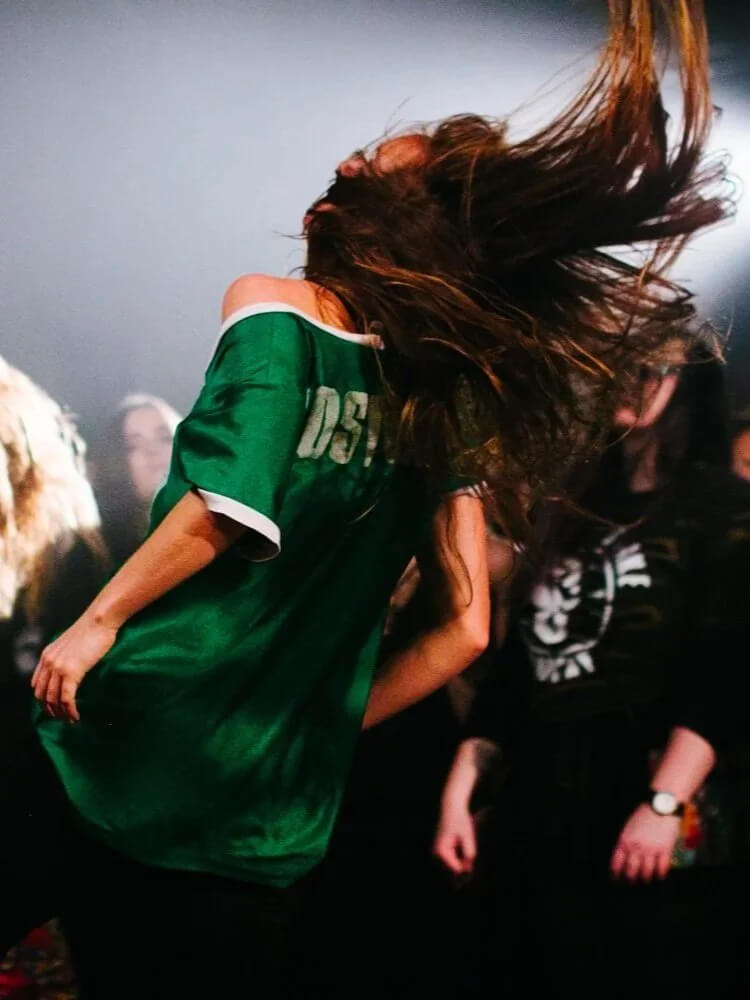
Kate Harman is an award-winning choreographer, movement director, and performer whose practice spans performance, dance, theatre and performative installations. Her practice explores the body as a living archive of memory and possibility. Collaboration is at the core of her work and she has worked with artists, communities, non-professional performers and moody teenagers. Kate’s practice spans stage, site-specific and socially engaged projects, always centring on the fragility and strength of the human condition. Kate began her professional career with Dancenorth under the directorship of Gavin Webber in 2005, forging a collaboration that continues today through The Farm and their work together as movement directors for theatre and film.
She is a founding member and co-artistic director of The Farm whose work challenges the preconceptions of where and how performance can take place—whether in theatres, drive-ins, showgrounds, on the beach or on sandbars.
Her work has been presented across Australia and internationally in contexts such as Dance Massive, Major Australian Festival, Festival 2018 for the Gold Coast Commonwealth Games, the UK Dance Touring Partnership and GAM, Chile. As a performer she has been nominated for a Greenroom Award. And through her work with The Farm has won a Helpmann, Drovers and most recently an Australian Dance Award.
Headshot courtesy of the artist.
Matt Adey - Design Mentor
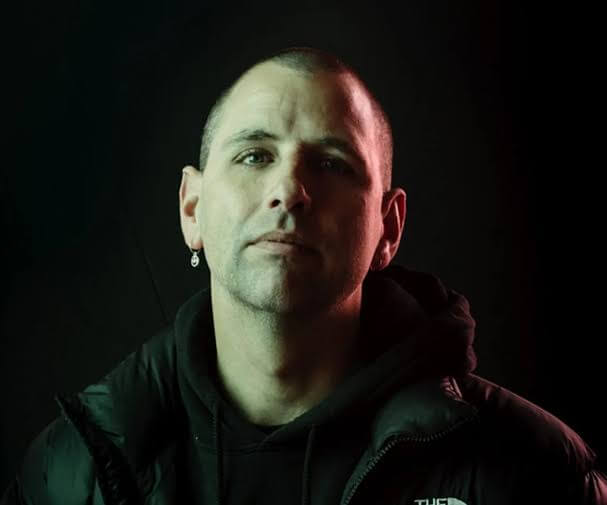
House of Vnholy (Matthew Adey) is an experimental multi-discipline artist and designer based in Adelaide. HØV creates visual and immersive experiences with light, object and body through live performance and large scale installation. HØV investigates the spectacle of the visual image and the transcendence and meditation of time and space, subverting the contemporary spectacle through new media and technology. Adey has worked extensively across contemporary dance, arts festivals, live music and theatre over the past 14 years both in Australia and abroad.
Over the past 15 years House of Vnholy has created several commissions for festivals across Australia including ECSTATIC UTOPIAN FANTASY at Illuminate Adelaide, LIFELESS; a solo exhibition at Staff Only in 2025, DsO1.2 at Now or Never in 2024, SEEP at Illuminate Adelaide 2022, FOREVERFALL at RISING Melbourne 2021, MONO- at the Adelaide Fringe Festival in 2014, HOMME Darebin Speakeasy for the Melbourne Fringe Festival in 2015, MYTH #02 – The Orator premiering at Sydney’s Underbelly Arts Festival in 2017, SEER at the 2018 Next Wave Festival. HØV were commissioned by Soft Centre Festival in Sydney in 2017 to create a performance work with sound artist Waterhouse, 2018 to create CS1.2.3.4, SIGHT a collaboration with Jannah Quill in 2019 and an 8 hour durational performance of ECSTATIC UTOPIAN FANTASY in 2025.
HØV worked with winter festival Dark Mofo as Lighting Director 2017-2019 and now works with RISING Melbourne as leading event designer, delivering major projects across the festival since its inception in 2021. HØV has worked in collaboration as a production designer with Australian Dance Theatre, Gravity and Other Myths, Australian Ballet, Maxine Doyle, Stephanie Lake, Melanie Lane, Antony Hamilton, Atlanta Eke and Amrita Hepi.
Headshot courtesy of the artist.
Acknowledgements
This work has been supported by Moreton Bay Regional Council, through the Regional Arts Development Fund and Australasian Dance Collective. Through Metro Arts this project has been assisted by the Australian Government through Creative Australia, its principal arts investment and advisory body